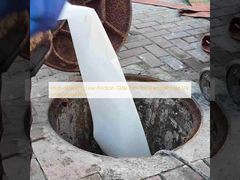
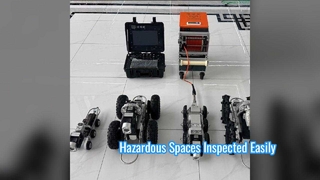
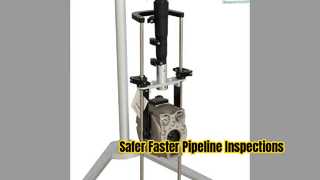
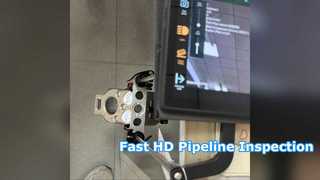
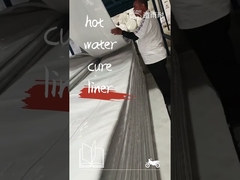
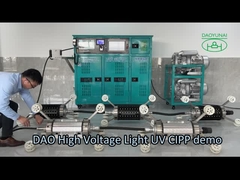
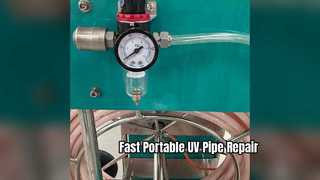
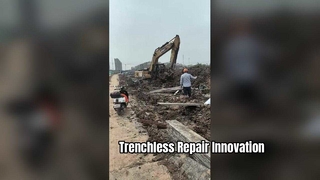
Brief: Experience a brief tour of features designed to deliver dependable outcomes. In this video, you'll see a demonstration of the Push-Rod LED UV CIPP Curing Equipment in action, showcasing how it efficiently restores damaged pipelines using trenchless technology. Watch as we walk through the process of rehabilitating a 33-meter DN200 sewer pipe in just 4 hours, highlighting the advanced LED UV curing and push-rod navigation system.
Related Product Features:
Trenchless pipe rehabilitation using LED UV CIPP curing equipment for minimal surface disruption.
Push-rod design enables navigation through narrow and hard-to-access pipes from DN100 to DN250.
Energy-efficient LED UV lamps cure fiberglass-reinforced liners in hours instead of days.
Integrated real-time pipeline inspection ensures consistent curing quality and visibility.
Corrosion-resistant fiberglass liner material provides a lifespan of 50+ years.
Suitable for sewer, stormwater, industrial wastewater, and urban infrastructure upgrades.
Low VOC emissions make it safe for use in urban and environmentally sensitive areas.
Compact system allows for manhole-to-manhole liner installation with high tensile strength.
FAQs:
What is the typical curing time for the LED UV CIPP system?
The LED UV CIPP system offers fast curing, typically completing the process in just hours. For example, a 33-meter DN200 pipeline was fully cured and restored in only 4 hours, significantly reducing project timelines compared to traditional methods.
What pipe diameter range does this equipment cover?
This Push-Rod LED UV CIPP Curing Equipment is versatile and designed for pipe diameters ranging from DN100 to DN250, making it suitable for various municipal, industrial, and residential pipeline rehabilitation projects.
How does the trenchless repair process benefit urban environments?
The trenchless repair process avoids excavation and surface disruption, minimizing traffic interference, reducing restoration costs, and lowering environmental impact with low VOC emissions. It provides a sustainable solution for upgrading urban infrastructure with minimal community disturbance.
What materials are used in the CIPP liner and how long do they last?
The system uses fiberglass-reinforced, pre-impregnated polyester resin liners that are corrosion-resistant and have high tensile strength. These liners are designed to last 50+ years under normal operating conditions, providing a durable and long-lasting pipeline rehabilitation solution.